Can You Sue a Casino Exploring Common Casino Dispute Scenarios
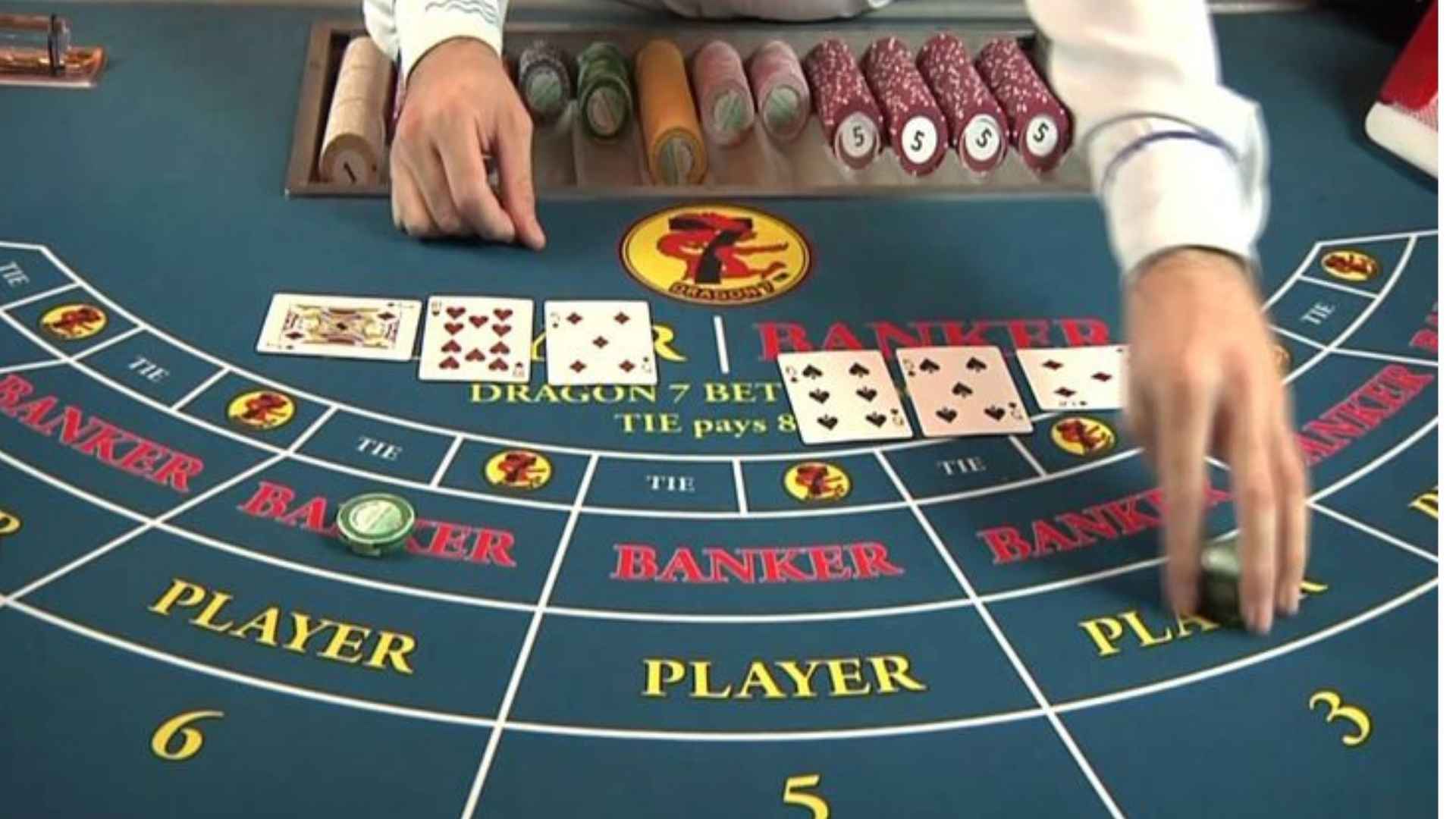
Disagreements between players and gambling establishments happen more frequently than many people realize. While players often feel frustrated when payouts are withheld or injuries occur, determining whether you can legally sue a casino depends on complex regulatory frameworks and specific factual circumstances. Navigating these legal hurdles requires a clear understanding of gaming laws, personal injury standards, and contract principles.
Understanding Legal Grounds for Claims
Filing a lawsuit against a commercial gaming establishment is legally possible, but it is rarely a straightforward process. Courts generally distinguish between personal injury claims, such as slip-and-fall accidents, and disputes involving gaming outcomes or unpaid jackpots. Personal injury cases proceed under standard premises liability laws, meaning the operator must maintain a safe environment for visitors.
Conversely, disputes related to wagers and payouts are usually governed strictly by state gaming commissions rather than standard civil courts. In many jurisdictions, laws limit a player's ability to sue directly for a gaming loss or disputed win. Instead, aggrieved patrons must exhaust all administrative remedies provided by local regulatory boards before pursuing external legal action.
Common Gaming and Payout Conflicts
One frequent source of conflict involves electronic machine malfunctions, often referred to as software glitches. If a slot machine displays a massive jackpot due to a technical error, gaming commissions typically rule that mechanical failures void all pays and plays. In these cases, courts almost always uphold the regulator's decision, leaving the player with little legal recourse.
Another common scenario centers on withheld payouts related to account terms or identity verification issues. Online platforms and traditional venues strictly enforce compliance rules to prevent fraud and underage gambling. Players seeking general news and insights about regulatory standards often reference industry updates on platforms like m88 togel to better understand terms and conditions.
Personal Injury and Security Negligence
Unlike gaming disputes, physical injuries sustained on a property fall under standard tort law. If a guest slips on a wet floor or suffers harm due to inadequate security inside the resort, the operator can be held legally liable. To win such a lawsuit, the plaintiff must prove that the property management failed to address a known hazard.
Security negligence is another serious claim that can lead to valid litigation. If a casino fails to provide adequate security surveillance or security guards, leading to an assault on the premises, the victim may have grounds for a lawsuit. These cases focus on foreseeability and whether reasonable safety measures could have prevented the incident.
Navigating the Dispute Resolution Process
Before contacting an attorney, patrons experiencing a dispute should immediately notify the on-duty floor manager and request an official incident report. Documenting every detail, including taking photographs and obtaining witness contact information, provides essential evidence for future claims. Maintaining a detailed paper trail is vital whether dealing with physical injuries or financial disagreements.
If the issue involves gaming wagers, the next step is filing a formal complaint with the state or tribal gaming board. Regulators will review surveillance footage, audit machine logs, and issue a binding administrative decision. Consulting a legal professional who specializes in gaming law can help determine if appealing the decision to a civil court is viable.