The Evolution of Live Dealer Gaming
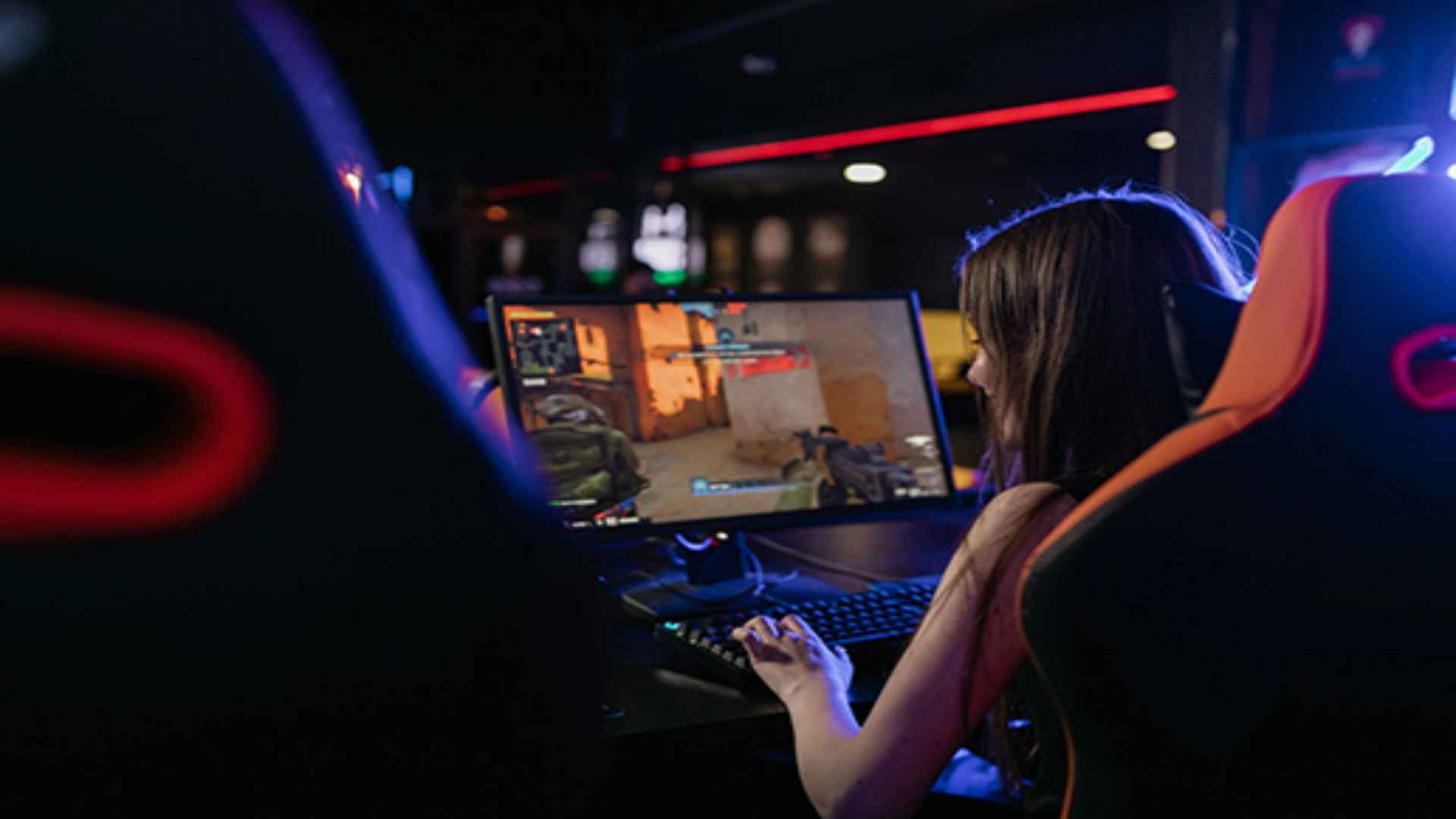
The digital entertainment landscape has experienced a monumental transformation over the past few decades, shifting from rudimentary pixelated interfaces to highly immersive realities. Among these advancements, the rise of live dealer platforms stands out as a defining milestone that completely redefined how enthusiasts engage with classic table games. By merging physical authenticity with digital convenience, this format has successfully bridged a long-standing gap in online wagering.
The Early Days of Digital Tables
In the infancy of the internet, virtual card and wheel games relied entirely on random number generators to determine outcomes. While these systems provided fair results, many participants missed the social interactions and physical elements found in traditional establishments. The experience often felt solitary and lacked the theatrical excitement of a real gaming floor.
As connectivity infrastructure improved globally, developers realized that technological limitations were no longer a permanent barrier. The concept of broadcasting a real person managing a physical game emerged as the logical next step for the industry. This shift marked the beginning of an era centered on transparency and real-time human connection.
Technological Breakthroughs and High Definition Streaming
The transition from basic webcasts to premium gaming experiences required substantial innovations in camera engineering and data transmission. Modern production facilities now utilize multiple high-definition camera angles to capture every slight movement of the cards or rotation of the roulette wheel. This level of visual clarity ensures absolute transparency, allowing participants to verify the integrity of each round instantly.
Furthermore, optical character recognition technology has revolutionized how physical actions are translated into digital data. This advanced software recognizes card symbols and numbers immediately, displaying the information seamlessly on the user interface. Enthusiasts can easily explore top options like M88bet to experience how these sophisticated systems operate in harmony.
The Growing Focus on Interactive Elements
Beyond visual improvements, the integration of real-time communication tools has drastically enhanced the social aspects of online play. Modern platforms feature integrated chat boxes that allow participants to text message the croupier and interact with fellow players at the table. This setup closely mirrors the camaraderie found at physical casino tables, transforming a digital pastime into a shared community experience.
Professional hosts are specifically trained to engage with the digital audience while maintaining the fast pace of the game. They read comments aloud, answer questions, and celebrate winning rounds with the players. This interactive dynamic ensures that the entertainment value remains high, keeping users engaged far longer than standard automated software ever could.
What Lies Ahead for Live Broadcasting
As we look toward the future, emerging innovations like augmented reality and virtual reality are poised to push the boundaries of immersion even further. These technologies will likely allow participants to walk through virtual studios and sit at tables in a fully rendered three-dimensional environment. The line between physical venues and digital interfaces will continue to blur as processing power increases.
Additionally, the expansion of mobile optimization ensures that these resource-heavy broadcasts run smoothly on portable devices without losing visual fidelity. Players can now enjoy identical feature sets and crystal-clear streams whether sitting at home or traveling. This continuous evolution guarantees that real-time dealer gaming will remain a dominant force in digital entertainment for years to come.