The Importance of Communication in Bridge Games
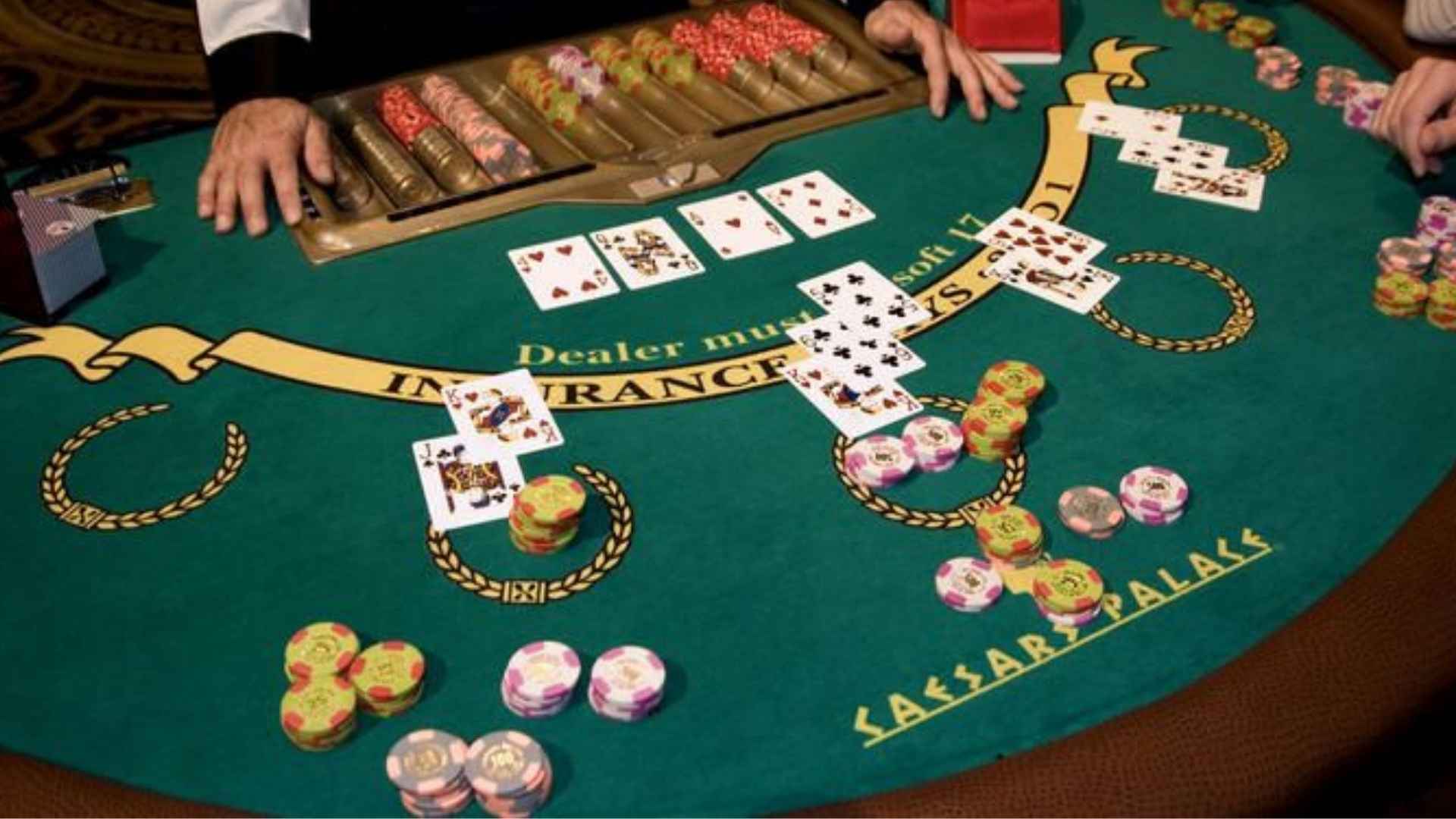
Contract bridge is a beautiful card game that completely relies on the synergy and shared understanding between partners. Unlike single-player card games where individual skill dominates, success in this team sport depends on establishing a seamless flow of information. Mastering the art of transmitting clear signals is what separates recreational players from experienced tournament champions.
Establishing a Shared Bidding Language
The bidding phase is the very first opportunity for partners to legally communicate the strength and distribution of their hands. By agreeing on specific bidding conventions, players can systematically map out the table and identify the best possible contract. Without a reliable, predefined system, even the most talented players will find themselves struggling with major misunderstandings.
Many players utilize educational forums and resources like M88bet to refine their strategic decision-making and learn advanced communication techniques. Developing this deep partnership agreement allows you to interpret your partner's signals with absolute confidence. It is this structured language that turns an otherwise chaotic guessing game into a precise exercise of logical deduction.
Subtle Signaling During Defensive Play
Defending a contract is often considered the hardest part of the game because you must play in the dark. To counter the declarer's advantage, defenders must use their played cards to send legal messages to each other. Every discard and lead serves as a crucial piece of data regarding which suits are safe to play.
For instance, standard carding systems allow players to signal their interest in a suit by playing high-low combinations. This silent dialogue ensures that both partners are working toward the same defensive objective rather than playing in isolation. Paying close attention to these small clues can instantly turn a difficult defense into a resounding victory.
Psychological Harmony and Team Trust
The Role of Active Listening and Observation
Communication in bridge is a two-way street that requires active listening just as much as active signaling. You must carefully observe not only what your partner bids, but also what your opponents choose to pass or play. This complete picture allows you to deduce the hidden layout of the cards and anticipate future tricks.
Successful players never focus solely on their own thirteen cards while ignoring the rest of the table. By treating every action as a meaningful piece of communication, you can make highly calculated moves that secure consistent victories. Continuous observation and flexibility are what truly elevate your partnership's cooperative gameplay to the next level.